


Shop LG by Collection
-
![]()
LG QNED
Experience lifelike colours & vivid detail that make every scene pop. A realistic big-screen experience to all your favourite content.
-
![]()
LG OLED
Enjoy the ultimate viewing experience with cinematic depth & precision. LG OLED delivers perfect blacks, brilliant contrast, and true-to-life colours.
-
![]()
LG NanoCell
NanoCell TV technology has been engineered to take the existing picture quality of LED TVs & enhance it to near OLED levels


LG OLED Evo
For over a decade, LG has led the OLED revolution. Step into the future of TV with LG OLED evo. Powered by the α11 processor, it delivers dazzling brightness, true-to-life colour, and perfect blacks for breathtaking viewing.
-

LG NANO NU85 50 Inch 4K UHD AI Smart TV | 50NU850B6LA.AEI
€399.00€549.00Unit price /Unavailable -

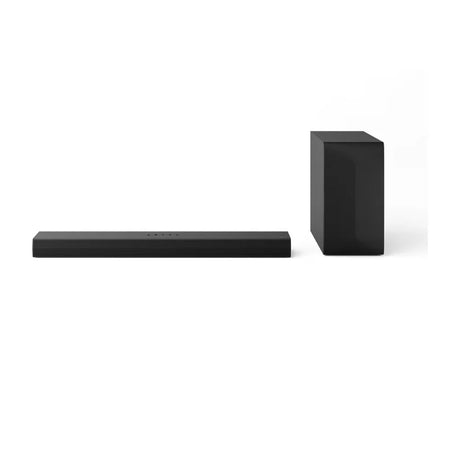
LG 2.0 Channel Sound Bar - Black | US20A.CGBRLLK
€99.99Unit price /Unavailable -
 Free DeliveryOut Of Stock
LG 48 Inch OLED Evo AI C54 4K Smart TV | OLED48C54LA.AEK
€949.00€1,399.00Unit price /Unavailable -
 Out Of Stock
LG QNED7E 75 Inch QNED Mini LED AI 4K Smart TV (2026) | 75Q...
€949.00€1,199.00Unit price /Unavailable -
Out Of Stock
LG B6 65 Inch OLED AI 4K Ultra HD Smart TV (2026) | OLED65B...
€1,349.00€2,229.00Unit price /Unavailable -
Out Of Stock
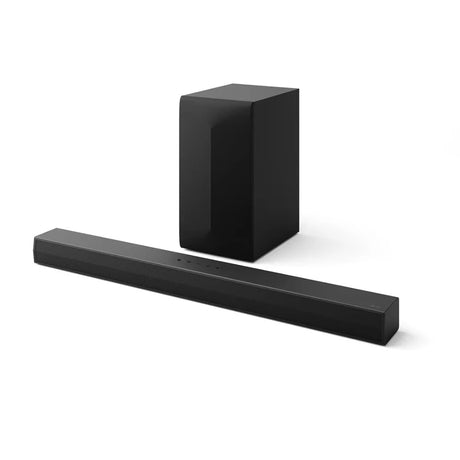
LG 3.1CH Cinematic Soundbar with Subwoofer - Black | US60T....
€249.00€399.00Unit price /Unavailable -
Out Of Stock
LG QNED7E 85 Inch QNED Mini LED AI 4K Smart TV (2026) | 85Q...
€1,399.00€1,799.00Unit price /Unavailable -
Free DeliveryOut Of Stock
LG B6 55 Inch OLED AI 4K Ultra HD Smart TV (2026) | OLED55B...
€899.00€1,399.00Unit price /Unavailable




LG TVs | QNED, NanoCell & OLED
LG TVs
Shop LG TVs from Heavins, spanning QNED, NanoCell and OLED panel technology for every room and budget.
LG QNED and NanoCell TVs use Quantum Dot and NanoCell filtering over LED backlighting for bright, vivid colour and wide viewing angles, ideal for family viewing in well-lit rooms. LG OLED TVs light each pixel individually for perfect blacks and infinite contrast, and the OLED evo range adds the Alpha 11 processor and Brightness Booster Ultimate for extra brightness alongside gaming features like G-SYNC and FreeSync.
See the full LG OLED TV range for cinema-grade picture quality, or browse the sizes above for QNED and NanoCell models across a range of screens.
Frequently Asked Questions
OLED
What is OLED TV and how does OLED work?
What is OLED TV and how does OLED work?
It is an entirely new technology that eliminates the need for a backlight, reducing the thickness and weight of the TV. The individual pixels can also be switched off for true blacks, which results in an incredibly eye-catching picture and a rich contrast - even from wide viewing angles. What’s more, the response time for an OLED TV is 1ms, while for a normal LED TV, it is 10ms. This means that you retain sharp, detailed images in fast action – with vastly reduced blur – extremely beneficial for modern video games.
So, which is better OLED or LED? Essentially, when it comes to choosing a new TV, though LED will give you more choice (with more options and affordable ones on the market), if you’re looking to invest in a TV that’ll give you stunning picture quality then OLED may well be the way to go.
How long do OLED TVs last?
How long do OLED TVs last?
To ensure the longevity of your home entertainment setup, LG has introduced this technology into all OLED TVs to help preserve image quality and address any risk of image retention (which may occur when consumers are using the technology out of normal viewing conditions – such as displaying a static image for an extended period). First, there is a Screen Saver feature that turns on automatically if the TV detects a static image on the screen for two minutes.
There are also three options to help preserve picture quality. Screen Shift moves the screen slightly at regular intervals, Logo Luminance Adjustment detects static logos and automatically dims them to help prevent image retention, and the Pixel Refresher feature has the ability to automatically detect any pixel deterioration and compensate for it as needed.
QNED
What is the difference between OLED and QNED?
What is the difference between OLED and QNED?
For those who want richer colours and greater clarity, LG's premium LCD brand, QNED is a great choice. QNED (Qualified Nano Enhanced Display) provides vivid and lifelike colours through LG’s own proprietary colour technology by adding various colour solutions to nano particle based technology. LG QNED TVs are officially qualified products and in 2025, all QNED series are qualified 100% colour Volume*. With a wide range of large screen, QNED is an for sports fans, offering a powerful and immersive viewing experience on a bigger scale.
For those who want the ultimate viewing experience LG OLED is a perfect choice for movie lovers and anyone who want to experience content with exceptional cinematic depth. Our latest Alpha AI Processor continues to impress, delivering the brightest picture and perfect blacks, even in bright light. UL-verified Perfect Black** and Perfect colour** enhances perceived brightness and contrast with accurate colours, whether it's bright or dark around you.
What is QNED TV?
What is QNED TV?
QNED (Qualified Nano Enhanced Display) provides vivid and lifelike colours thanks to LG’s own proprietary colour technology by adding various colour solutions to nano particle based technology. LG QNED TVs are officially qualified products, in all 2025 QNED series are qualified 100% colour Volume.
Nanocell
What is NanoCell TV technology?
What is NanoCell TV technology?
Nanocells are TV pixels that you’ll find in NanoCell TVs. They sit behind the screen and are tiny units that, together, display the images you see on-screen.
They help create a uniform picture across the entire TV screen. This helps to create accurate and high-levels of picture quality – whatever angle you’re viewing from.
NanoCells differ from regular TV pixels, using nanoparticles to display rich images. It’s these nanoparticles that enhance the colours that make up images, by filtering out duller tones that might affect their brightness.
The result?
Deeper colours that look lifelike. Sharper tones that make the scenes on-screen appear as though they’re happening in your living room. And a combination of both that make your TV content leap from the screen.
What is the difference between OLED and Nanocell?
What is the difference between OLED and Nanocell?
As mentioned, when it comes to TV technology, OLED often reigns supreme, which is why you may be wondering how NanoCell TVs compare to OLED.
Unlike NanoCell TVs, OLED TVs do not use LED backlighting. OLED stands for organic light-emitting diode, meaning that the display can show an image without requiring a backlight and instead, each pixel is individually lit.
The advantage of this, is that OLED TVs can achieve ‘true black’ where parts of the TV can be completely dark. This is because each pixel can be turned off completely when the TV area is black. It also provides other advantages such as the elimination of blooming, a better response time that reduces blur on fast movements and a much better viewing angle.
In terms of which TV is better, this depends on your needs. If you’re a true movie buff, or an avid gamer, OLED may be the way to go, offering fast gaming performance, deeper blacks, and brighter whites.
NanoCell TVs on the other hand, may be a better choice for everyday households, with a fairer price, but still offering vivid colour and wide-screen angles.