

Power Cut & Emergency Essentials




-

Anker Nano Power Bank 30W 10,000mah Built In USB C Cable - ...
€49.99Unit price /Unavailable -

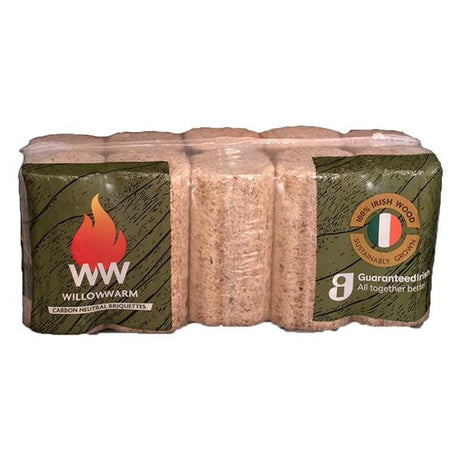
Willowwarm Carbon Neutral Briquettes 10 Pack
€6.69Unit price /Unavailable -
Energizer Vision Battery Headlamp Headlight 200 Lumens | EN...
€14.99Unit price /Unavailable -
Energizer X Focus Handheld Torch - Black | ENE33015
€9.99Unit price /Unavailable -
Energizer Tactical Ultra 1000 Performance LED Torch - Blac...
€32.99Unit price /Unavailable -
Protool LED Safety Vest USB Charging | PTLR7088USB
€29.99Unit price /Unavailable -
Powermaster 5W LED Shaver Light Lamp | 1395-00
€39.99Unit price /Unavailable -
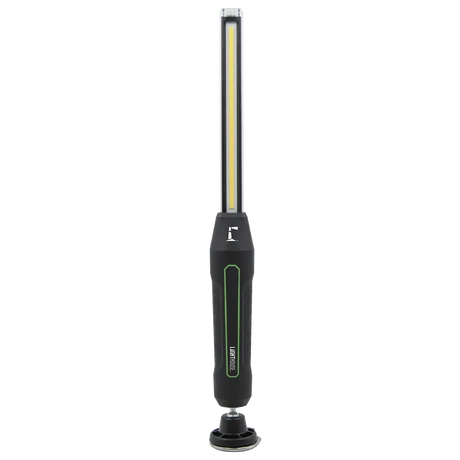
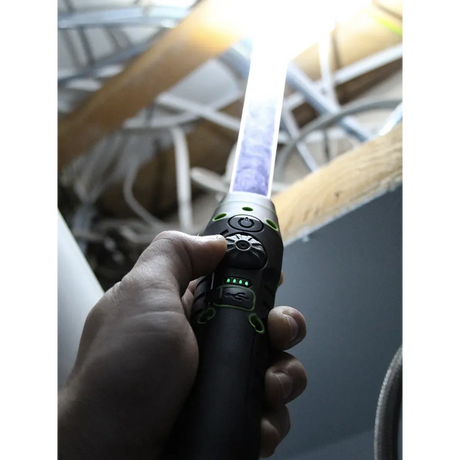
Lighthouse T70R Rechargable Inspection Lamp Light | L/HT70R
€29.99Unit price /Unavailable -
Foker Cast Iron Single Burner Gas Stove - Black | 1930-28
€99.99Unit price /Unavailable -
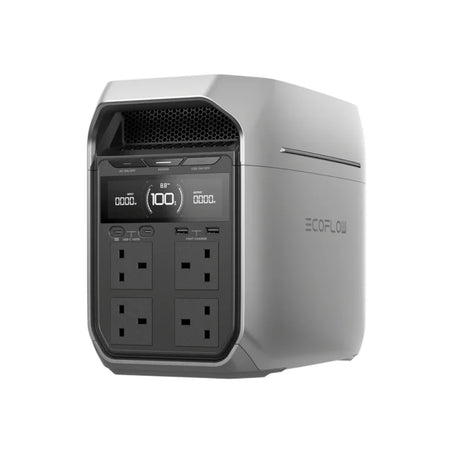
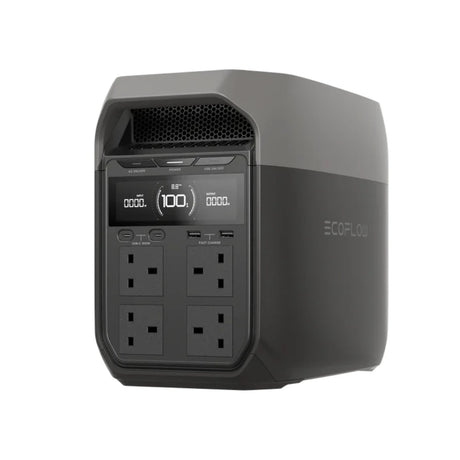
Ecoflow River 3 Power Station 10ms UPS 245Wh Portable Power...
€259.00Unit price /Unavailable -
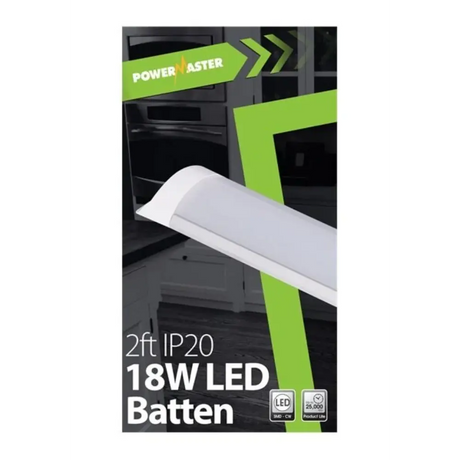
Powermaster 24 Inch ( 2 Foot ) 18 Watt LED Slimline Batten ...
€19.99Unit price /Unavailable -
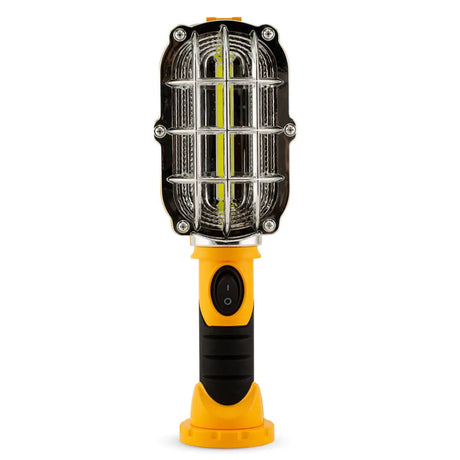
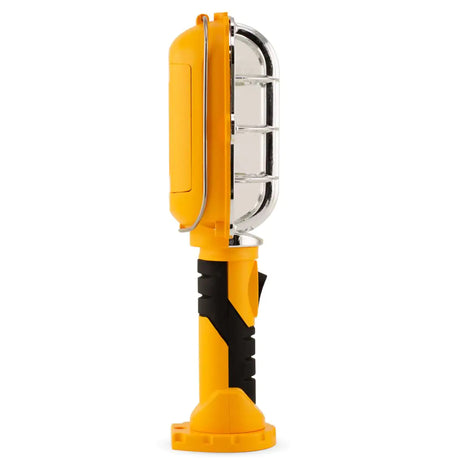
JML Handy Brite Battery Worklight | A001026
€11.99Unit price /Unavailable -
 Clearance
Tala Rechargeable LED Work Light 20W | TAL59240
€49.99€64.99Unit price /Unavailable -
Energizer LED Lantern Torch Battery Powered | 1815-08
€16.99Unit price /Unavailable -
Milestone Non Stick Grill Plate - For Portable and Electric...
€14.99Unit price /Unavailable -
Energizer 15W LED Oval Bulkhead with PIR Sensor | 1824-18
€32.99Unit price /Unavailable -
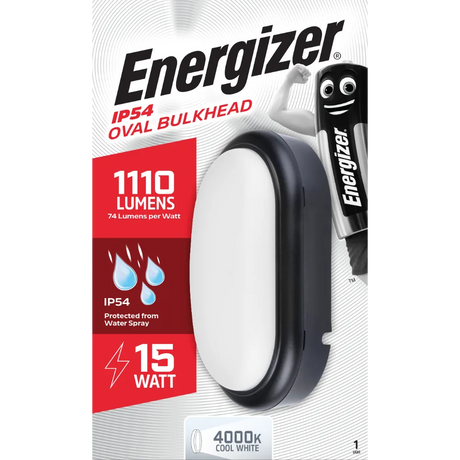
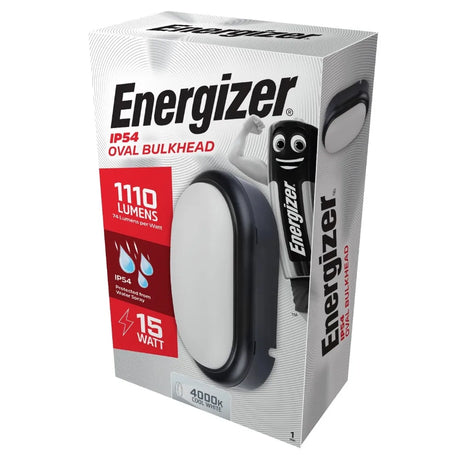
Energizer 15W LED Oval Bulkhead | 1824-20
€19.99Unit price /Unavailable -
Dargan Gas Stove Heating Adaptor | PV14
€14.99Unit price /Unavailable -
Lighthouse Rechargeable LED Pocket Torch 120 lumens | L/HPO...
€19.99Unit price /Unavailable -
Flamers Kiln Dried Firewood Logs 9kg
€9.99Unit price /Unavailable -
Lighthouse T100WR Rechargeable Inspection Wand Lamp | L/HT1...
€44.99Unit price /Unavailable -
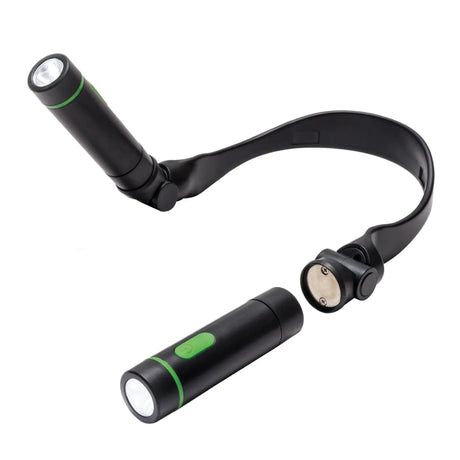
JML Neck Brite Wearable Neck Light | A002070
€24.99Unit price /Unavailable -
Free Delivery
Ecoflow Delta 3 Plus Power Station 1024Wh Portable Power St...
€849.00Unit price /Unavailable -
Free Delivery
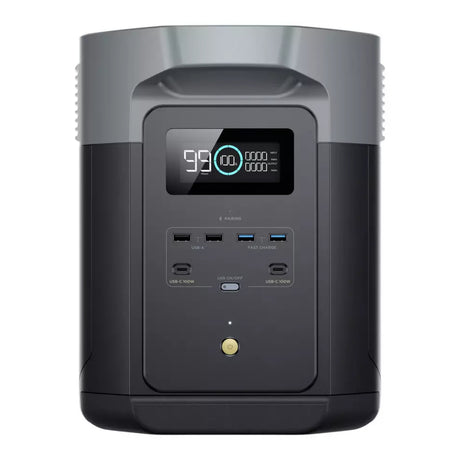
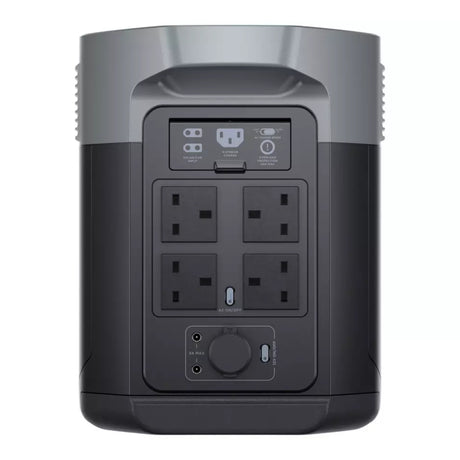
Ecoflow Delta 2 Max Portable Power Station 2048Wh ( Backup ...
€1,649.00Unit price /Unavailable -
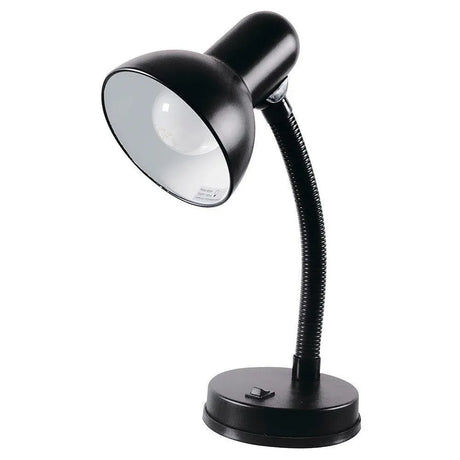
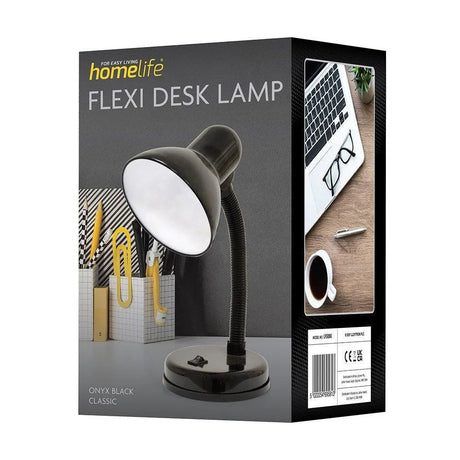
Lloytron Home Life 35W Classic Flexi Desk Lamp - Onyx Black...
€19.99Unit price /Unavailable -
EcoFlow River 3 Max Portable Power Station 576wh ( Battery ...
€449.00Unit price /Unavailable -
Energizer 10 Watt LED Floodlight with PIR Sensor | 1812-02
€19.99€29.99Unit price /Unavailable -

Energizer 10W LED IP44 Bathroom Light | 1810-36
€39.99Unit price /Unavailable -
Foker Cast Iron Double Burner Gas Stove - Black | 1930-30
€149.99Unit price /Unavailable -
EcoFlow Trail 200 DC Portable Battery Backup Power Station ...
€199.00Unit price /Unavailable -
 Free Delivery
EcoFlow DELTA 3 Portable Power Station 1024Wh ( Backup Batt...
€749.00Unit price /Unavailable -
Anker Zolo Power Bank 20,000mAh 22.5Wwith Built In USB-C x2...
€44.99Unit price /Unavailable -
€24.99Unit price /Unavailable
-

Anker Nano Power Bank 10,000mAh 45w with Built In USB C | A...
€59.99Unit price /Unavailable -
Anker Prime Powerbank 26,000mAh 250W 2 x USB C 1 x USB A | ...
€179.00Unit price /Unavailable -
Ultralight Rechargeable LED Torch 5W - Green | TE9300
€24.99Unit price /Unavailable -
Ultralight 20W Rechargable USB Floodlight | TE20W-USB
€16.99Unit price /Unavailable -
Ultralight Rechargeable 10W COB LED Head Torch Head Light |...
€22.99Unit price /Unavailable -
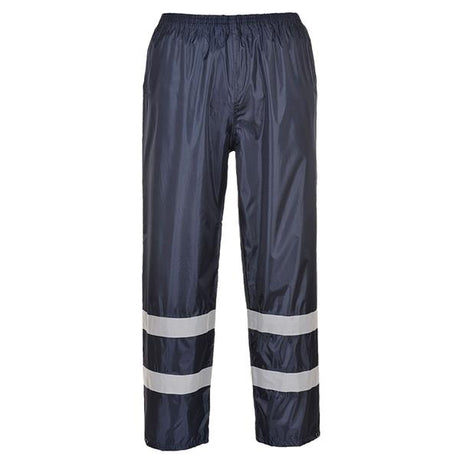
Portwest Classic Iona Rain Trousers - Navy - Large | F441NARL
€22.99Unit price /Unavailable -
Portwest Classic Adult Rain Trousers - Navy - Small | S441NARS
€22.99Unit price /Unavailable -
Portwest Lismore Women's Rain Jacket - Aqua
From €34.99€49.99Unit price /Unavailable -
Portwest Classic Rain Jacket - Navy
€29.99Unit price /Unavailable -
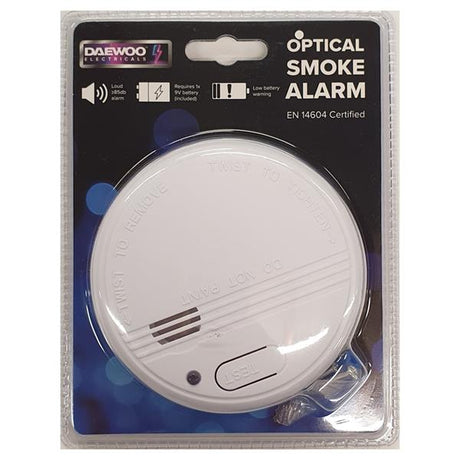
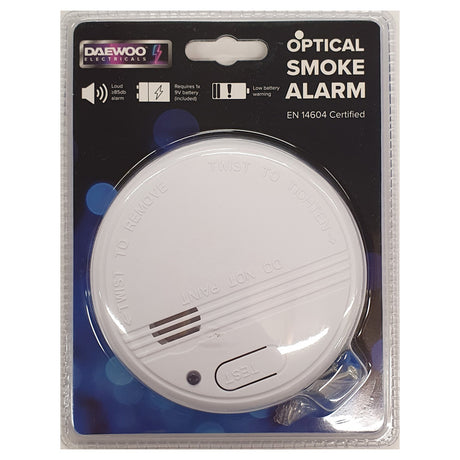
Daewoo Optical Smoke Alarm | 1323-04
€12.99Unit price /Unavailable -
PowerMaster 4 Gang Surge Adaptor Switched | 1519-14
€14.99Unit price /Unavailable -
Masterplug 4 gang 2 metre Surge Protection Extension Lead |...
€16.99Unit price /Unavailable -
Powermaster 4 Gang 5 Metre 13 Amp Extension Lead | 1392-24
€14.99Unit price /Unavailable -
Masterplug 6 Gang 2 Metre Surge Protected Extension Lead | ...
€19.99Unit price /Unavailable -
Lloytron Universal Battery Charger for AA, AAA, C, D & 9V B...
€19.99Unit price /Unavailable -
Masterplug Weather Proof Box With 10 Metre 4 Way Extension ...
€25.99€39.99Unit price /Unavailable -
Panasonic LR1 / LR01 / N / E90 / 910A Battery | 1736-40
€3.49Unit price /Unavailable


















Power Cut Essentials | Torches, Power Banks | Heavins.ie
Power Cut & Emergency Essentials
Preparing for a power cut comes down to two questions: how long you need to stay running, and what you need to keep running. A phone and a lamp for one evening is a power bank job. A fridge, a router and lighting across a day or two calls for a portable power station, where capacity is measured in watt hours and the inverter output decides what you can plug in at once. Anything longer, or a site and workshop load, moves you to a petrol generator. Heat and hot food are the part people forget, because a central heating system needs a pump and a control board and so stops with the electricity even where the boiler itself burns oil or gas. That leaves bottled gas, which is why a portable gas heater and a camping stove earn their place alongside the batteries and the torches, together with the kiln dried logs, briquettes and wood pellets in Fuel.
Work outwards from there. Light first, because an outage after dark is mostly a lighting problem and a torch in a drawer solves it in seconds. Then information, which means a radio that does not need the mains or a phone signal. Then warmth and hot food, then the detection equipment that matters more during an outage rather than less, since a house running on bottled gas and candles is a house at higher risk of both fire and carbon monoxide. The kit below is organised in roughly that order, and almost all of it earns its keep camping, fishing and on site for the rest of the year rather than sitting in a press waiting for a storm. Two guides go further than a product page can: the home emergency kit checklist sets out what every Irish household should keep and where to keep it, and backup generators for a home power cut covers sizing, inverter against open frame, and safe siting.
Power Stations
A portable power station is a battery, an inverter and a set of sockets in one case, so it runs mains appliances indoors with no fumes and no engine noise. Capacity from 245Wh to 3,840Wh sets how long it lasts, and output from 200W to 6,000W sets what it will start. Units of 245Wh to 576Wh cover phones, laptops, routers and lamps. From 1,024Wh upward you can hold a fridge freezer overnight. Look for a 10ms UPS changeover if you want equipment to ride through a cut untouched, and for expansion batteries and alternator charging where outages run long.
Power Banks
Power banks are sized in milliamp hours and rated by output watts, and both figures matter. Capacity runs 4,600mAh to 30,000mAh, so roughly one phone charge at the small end and six or more at the top. Output from 7.5W to 250W decides whether a powerbank trickles a phone or fast charges a laptop. Built in USB-C cables save carrying a lead, magnetic wireless models clip straight onto a compatible handset, and LED displays show the exact percentage remaining rather than four dots. For a bag you carry daily, a slim 10,000mAh unit is the usual compromise between capacity and bulk.
Generators
Petrol generators cover the loads a battery cannot, and they split into two builds. Inverter models from 1.8kW to 7.5kW produce clean, stable power that is safe for laptops, routers and modern electronics, and they run quieter, which suits camping, caravans and home backup. Open frame sets from 3KVA to 12.5KVA give more output for the same frame size and suit tools, pumps and site work where waveform matters less. Recoil start is fine on smaller units, electric and key start earn their place from about 6KVA up, and a generator always runs outdoors, never in a garage or a shed.
Solar Panels
Portable solar panels are what turn a power station from a battery into something that refills itself, which is the difference between a one night outage and a longer one. These fold flat with a carry handle rather than needing mounting, and wattage decides the speed: 30W and 40W top up a phone or a small pack, 60W and 80W suit a mid size station over a day, and 200W to 400W will refill a large station in a single session of good light. Bifacial panels collect from the rear face too. Check the connector matches your station before buying.
Lamps & Torches
Torches and lamps are the first thing anyone reaches for, and lumens is the number that matters. Around 100 to 250 lumens finds a fuse board or lights a hallway, 500 to 1,000 lumens crosses a dark yard, and above that is floodlight territory. A battery torch on AA, AAA or D cells always works if you keep spares, which is what you want from something unused for months, while a rechargeable LED torch is brighter for its size. Head torches from 120 to 400 lumens leave both hands free, and a camping lantern lights a whole room rather than a beam.
Batteries
Batteries are the least glamorous part of the kit and the one most likely to be missing when it matters. AA and AAA cover most torches, radios and remotes, C and D cells turn up in older torches and lanterns, and a 9V block is what most smoke alarms take. Alkaline cells hold their charge on the shelf for years, which is exactly what an emergency torch needs, while rechargeable NiMH suits anything used constantly. Lithium cells perform better in the cold, worth knowing for anything kept in a shed, a garage or a car boot.
Radios
A radio is how you find out what is happening when the broadband is down and the mobile network is congested, which is common in a widespread outage. A plain FM and AM portable runs for a very long time on batteries and is the sensible thing to keep in a drawer. A DAB set adds the digital stations where you want one radio for everyday use as well. Best of all for this job is an emergency radio combining a hand crank, a solar panel and a built in torch, which keeps working when the batteries are gone too.
Gas Heaters
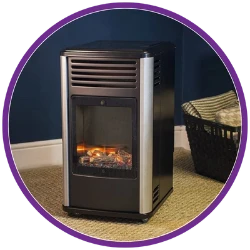
Portable gas heaters run from a butane cylinder rather than the mains, which is exactly what makes them useful when the electricity is off and the central heating has stopped with it. Output from 3kW to 4.2kW heats a room rather than a whole house, and most models offer two or three heat settings. Cabinet units sit on castors and move room to room. Because they burn indoors, ventilation matters, so keep a window or trickle vent open and never run one in a bedroom overnight. Check which cylinder size and regulator fitting a model takes.
Portable Gas Stoves
A portable gas stove keeps hot food, boiled water and a filled hot water bottle available with no electricity at all. Single burner models are compact enough for a worktop, fishing or camping, while double burner units around 4.5kW add a grill and usually arrive in a carry case, which suits cooking for a household rather than one person. Cast iron burners hold heat better and sit more steadily than pressed steel. Most run on butane cartridges or a clip on cylinder, so confirm the cartridge type first, since the fittings do not interchange.
Gas Canisters & Cartridges
Canisters and cartridges are what the heaters and stoves above are useless without, and the fitting is the thing to get right. EN417 is the threaded screw on standard used by most compact camping stoves. Type 200 and similar pierceable cartridges clip in and cannot be removed until empty. The flat aerosol style butane canister is what most single burner tabletop stoves take. Plain butane struggles below about five degrees and a butane propane mix keeps vaporising in genuinely cold weather, which is the mix worth having in a winter store cupboard.
Home Safety
Smoke alarms and carbon monoxide alarms matter more during an outage, not less, because a house lit by candles and heated by bottled gas carries more risk than usual. The two alarms detect completely different things and a house needs both, one per floor at minimum plus any room where someone sleeps with the door closed. Sealed long life battery models run up to ten years with no changes. A fire blanket belongs in the kitchen within reach of the hob, and a first aid kit covers the cuts and burns that are far more likely than a fire.
Hot Water Bottles
Hot water bottles are the low technology answer to a cold house with no heating, and the traditional rubber kind has one advantage over the rechargeable electric type in this specific situation: a kettle on a gas stove will fill it when the mains is down, while a rechargeable bottle will not charge. A rechargeable model charged in advance still holds its heat for hours into an outage. Long bottles cover the back and shoulders, standard bottles suit a bed or a lap, and plush and sherpa covers hold heat longer than a bare bottle.
Anker spans the SOLIX power station line alongside Nano, MagGo, Zolo and Prime power banks and the SOLIX folding solar panels. Energizer runs across power stations, high capacity power packs, torches, lanterns, floodlights and batteries, and Lighthouse covers torches, head torches, inspection lamps and camping lanterns. EcoFlow brings the DELTA and RIVER power station families including UPS and expansion options, with Victor and FF Group on the petrol generators, De Vielle on gas heaters and hot water bottles, Kidde and Safeline on alarms and fire safety kits, Duracell on batteries and Roberts and Philips on radios. Related ranges include Lighting, Extension Leads, Heating and Fuel.